Posts

Showing posts with the label parenting

Keeping well in self isolation: Advice from a physiotherapist on keeping active at home for all ages

Image
Dr Breanne Kunstler (BBiomedSci, BHealthSci, MPhysio, PhD).  Physiotherapist, behaviour change scientist and run coach.   COVID-19 ("Coronavirus") has officially been  declared a pandemic  by the  World Health Organisation (WHO) . Australia has recently taken the extreme and necessary step of asking people to self-isolate if they :  Are experiencing symptoms (e.g. fever, cough, shortness of breath or sore throat [Image 1]); Have been in contact with someone with COVID-19; or Have travelled overseas and arrived back in Australia after March 15. Image 1: Symptoms of COVID-19 (credit: health.gov.au ) Self isolation can be just that: isolating . We often say that we wish we could just stop time for a couple of weeks and take time off from our responsibilities, like work and exercise, and put our feet up. Well, now that it's enforced for many, we start to realise that it's actually not much fun. In fact, breaks from usual activity can be  bad...

Childhood allergies: What can parents do to prevent them?

Image
Dr Breanne Kunstler (BBiomedSci, BHealthSci, MPhysio, PhD). As parents, when we think ‘solids’ we think 2 things: choking and allergy…oh and a third…copious amounts of mess. As a mum, I want to do all that I can to prevent my 5-month old daughter, Abby, from developing any allergy, including food allergies and related diseases like asthma, eczema etc. To do this, I have been eating peanuts, fish, shellfish, tree nuts (e.g. almonds), taking probiotics daily and working hard to continue exclusively breastfeeding all because I have heard somewhere or from someone that this can help to prevent Abby from developing allergies. I also jumped at the chance to feed Abby peanut butter, egg, fish and other foods because I also heard that she should eat these as soon as she starts solids to reduce her chance of developing allergies. Image 1: Abby loves eating solid foods, especially when she can make a mess. I made some love-heart shaped omelette with sesame oil. Allergens galore! S...

To spit the dummy or not to spit the dummy? That is the question.

Image
Dr Breanne Kunstler (BBiomedSci, BHealthSci, MPhysio, PhD). Yesterday I went to pick up Abby from daycare with my husband, Ben. It was a really warm day so we walked the short distance to the centre, enjoying the sunshine and chatting about mundane things. When we enrolled Abby in childcare we were asked 'Does your child have a routine?'. Well, no, I don't really think so. It's not like I watch the clock and once it hits 8.04am she must be fed, or changed, or have some playtime, or nap...we aren't strict when it comes to routines. We just respond to Abby's needs when she has them. I think this chilled approach has worked well for starting childcare because the educators get some freedom to do what works for them and Abby. I think this is a good thing; it's good for Abby to experience different ways of doing things. Although yesterday I discovered that there is one thing that I am passionate about Abby not having: a dummy. I walked into the child...

Screen time and sedentary behaviour in the early years (Part 4): What do parents think about screen time? Is it really THAT bad?

Image
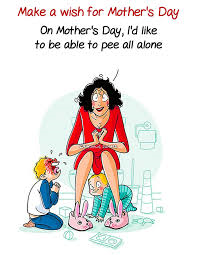
Dr Breanne Kunstler (BBiomedSci, BHealthSci, MPhysio, PhD). Last week I wrote about the psychological health impacts of high screen time on children. This is the fourth post in a series of five posts on kids' screen time and will involve examining some of the perceptions parents have of screen time and if it is really all that bad. Parents, naturally, have the best interests of their children in the forefront of their minds at all times. However, this doesn’t mean that their intentions to do what they think is best for their child is actually what they do (see the ‘ intention-behaviour gap ’). This isn’t because they are terrible people or that they are selfish. Rather, life gets in the way and sometimes they just need to put the infant down in front of the TV so they can go to the toilet. In fact, 85% of Australian parents report using screens as a “digital babysitter”, allowing them to get things done. I’m certainly one of those 85%. Image 1: A digital babysitte...